Lawn Fertilization 101: How to Feed Your Yard for Optimal Growth
A lush, vibrant lawn does more than enhance your home’s curb appeal—it serves as a foundation for outdoor activities, improves air quality, and contributes to overall environmental health. However, achieving and maintaining a healthy yard requires more than regular mowing and watering; fertilization is a critical component of lawn care. Fertilizers provide essential nutrients that grass needs to grow strong, resist pests, and withstand environmental stressors. Understanding how to properly feed your lawn ensures that it not only survives but thrives throughout every season.
Despite the availability of numerous products and approaches, many homeowners struggle to identify the right fertilization strategy for their specific yard. Factors such as soil type, grass variety, climate, and seasonal conditions all play a significant role in determining which nutrients are most beneficial and when they should be applied. A carefully planned fertilization schedule helps prevent common issues such as nutrient deficiencies, patchy growth, or overfertilization, which can harm the environment. This guide explores the fundamentals of lawn fertilization, offering practical insights and expert recommendations to help you cultivate a healthy, thriving yard year-round. By implementing these strategies, homeowners can achieve optimal growth while promoting sustainable lawn care practices.
Understanding Lawn Nutrients and Soil Health
Essential Nutrients for Grass Growth
Lawn health depends heavily on three primary nutrients: nitrogen (N), phosphorus (P), and potassium (K). These macronutrients, often listed as an N-P-K ratio on fertilizer labels, each play a distinct role in turf vitality. Nitrogen promotes leaf growth and gives grass its characteristic green color. Phosphorus supports root development and strengthens the plant’s ability to absorb water and nutrients. Potassium enhances disease resistance and helps grass endure drought and temperature fluctuations.
Beyond these macronutrients, trace elements such as iron, magnesium, and calcium also contribute to overall lawn health. While they are needed in smaller quantities, deficiencies can manifest as yellowing leaves, weak roots, or uneven growth. Identifying specific nutrient needs through soil testing is critical for applying the right fertilizer type and avoiding unnecessary chemical use.
The Importance of Soil Testing
Before initiating any fertilization program, a soil test is essential. Soil testing reveals pH levels, nutrient deficiencies, and the presence of heavy metals or contaminants. Grass grows best in slightly acidic to neutral soils, typically with a pH between 6.0 and 7.0. If soil is too acidic or alkaline, nutrients may become less available to the plant, resulting in suboptimal growth despite regular fertilization.
Professional soil testing or DIY kits provide actionable data to tailor fertilizer applications effectively. For instance, a soil low in nitrogen may require a high-nitrogen fertilizer, while phosphorus-deficient soil benefits from a balanced fertilizer that promotes root development. Understanding your soil’s composition reduces waste, minimizes environmental impact, and ensures that your lawn receives exactly what it needs to flourish.
Choosing the Right Fertilizer for Your Lawn
Types of Fertilizers
Fertilizers fall into two primary categories: synthetic and organic. Synthetic fertilizers are chemically formulated and offer precise nutrient ratios. They typically provide quick results, allowing homeowners to see visible improvements in grass color and growth within days. However, overuse can lead to runoff, environmental pollution, and soil degradation over time.
Organic fertilizers, derived from natural materials such as compost, manure, or plant-based ingredients, release nutrients slowly and improve soil structure. They are environmentally friendly and support long-term soil health, though their effects may be less immediately noticeable. Some lawn care experts recommend combining both types to achieve immediate results while building soil fertility sustainably.
Selecting the Right N-P-K Ratio
Choosing the appropriate N-P-K ratio depends on your grass type and lawn objectives. For example, a cool-season lawn like Kentucky bluegrass may benefit from a fertilizer high in nitrogen during the growing season to encourage leaf growth. Warm-season grasses, such as Bermuda or Zoysia, often require a more balanced fertilizer that supports root development in addition to top growth.
Understanding the timing of nutrient application is also crucial. Applying too much nitrogen in the fall can make grass susceptible to winter damage, while insufficient phosphorus can stunt early spring growth. Reading labels carefully and following manufacturer guidelines ensures that your lawn receives the right nutrients in the right amounts.
Timing and Frequency of Fertilization
Seasonal Fertilization Strategies
Adjusting fertilizer schedules based on local climate conditions and rainfall patterns
further enhances effectiveness. For example, regions with heavy rainfall may require more frequent but lighter applications to prevent nutrient runoff, while arid areas benefit from concentrated doses that support sustained growth.
Frequency Considerations
A standard fertilization schedule ranges from two to four times per year, depending on grass type, soil quality, and lawn objectives. Over-fertilization can burn grass, encourage excessive top growth, and increase susceptibility to pests and disease. Conversely, under-fertilization leads to thinning, weak roots, and poor stress tolerance. Implementing a balanced approach, informed by soil tests and grass needs, ensures consistent health and appearance without unnecessary environmental impact.
Application Techniques for Maximum Impact
Proper Spreading Methods
Uniform application is essential for achieving a healthy lawn. Broadcast spreaders distribute fertilizer evenly across the entire yard, preventing concentrated patches that can burn grass. Drop spreaders offer precise control for smaller areas or irregularly shaped lawns. Understanding the spreader’s calibration and walking speed is critical to avoid over- or under-application.
Watering After Fertilization
Watering is a key step in the fertilization process. It helps nutrients penetrate the soil and reach the roots where they are absorbed. Light, consistent watering after application prevents fertilizer from sitting on grass blades and causing leaf burn. However, excessive watering can wash away nutrients before they are absorbed. Ideally, water the lawn immediately after fertilizing and continue with regular irrigation to maintain moisture balance.
Avoiding Common Mistakes
Common mistakes in fertilization include applying fertilizer to dry or stressed lawns, uneven spreading, and over-application. These errors can lead to weak growth, chemical runoff, or environmental harm. By following best practices, homeowners can protect their lawn, enhance nutrient uptake, and reduce the need for corrective measures.
Integrating Fertilization with Overall Lawn Care
Mowing and Aeration
Fertilization works best when combined with proper mowing and aeration practices. Regular mowing encourages dense growth, which improves the lawn’s ability to absorb sunlight and nutrients. Aeration, which involves perforating the soil to allow air, water, and nutrients to reach roots, enhances the effectiveness of fertilization. Combining these practices creates a synergistic effect that promotes strong, healthy grass.
Weed and Pest Management
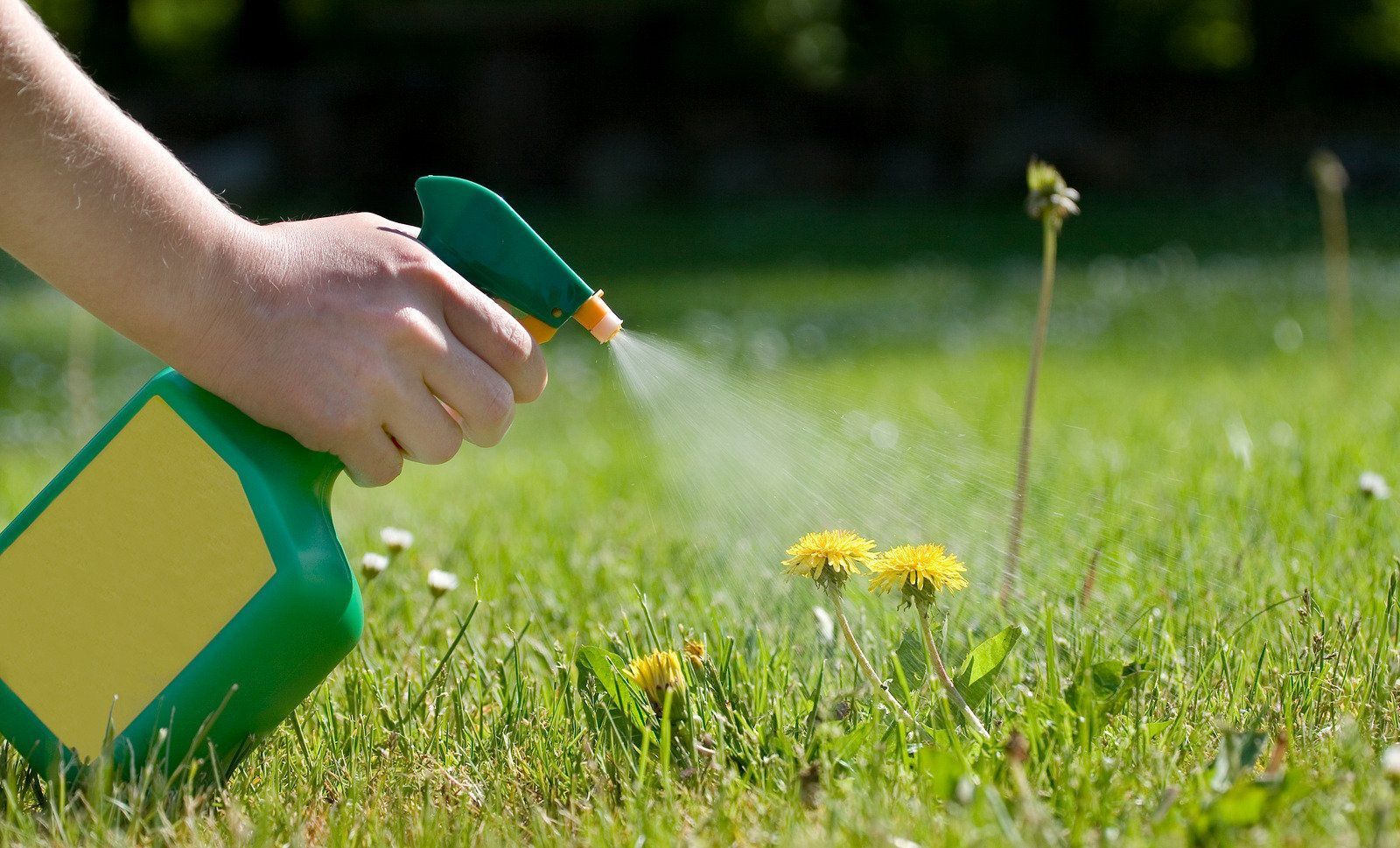
A well-fertilized lawn is better equipped to resist weeds and pests. Dense, healthy grass outcompetes weeds for sunlight and nutrients, reducing the need for chemical herbicides. Similarly, a robust lawn is more resilient against insect damage and fungal infections. Integrating fertilization with strategic pest and weed control ensures a balanced, thriving lawn ecosystem.
Long-Term Soil Health
Sustainable fertilization practices protect soil health and environmental quality. Rotating fertilizer types, incorporating organic matter, and avoiding excessive chemical applications support microbial activity, improve soil structure, and reduce nutrient runoff. Over time, these practices not only enhance lawn growth but also contribute to a healthier local environment, preserving soil vitality for years to come.
Expert Insights and Real-World Examples
Common Challenges and Solutions
Homeowners frequently encounter nutrient deficiencies, uneven growth, or over-fertilization effects. Addressing these issues requires careful observation, soil testing, and adjustment of fertilizer types or schedules. By monitoring lawn response and making incremental changes, even challenging yards can achieve optimal growth and aesthetic appeal.
Professional Lawn Care Recommendations
Professional landscapers emphasize the importance of a tailored approach rather than a one-size-fits-all strategy. Regular soil testing, proper application techniques, seasonal adjustments, and integration with other lawn care practices result in healthier, more resilient grass. Consulting with experts ensures that fertilization programs are efficient, effective, and environmentally responsible.
Professional Guidance for Year-Round Lawn Success
Effective lawn fertilization is a cornerstone of healthy, vibrant yards. Understanding nutrient requirements, selecting the right fertilizer, timing applications correctly, and integrating fertilization with mowing, aeration, and pest control all contribute to optimal grass growth. By following best practices, homeowners can avoid common mistakes, promote environmental sustainability, and enjoy a resilient, attractive lawn throughout the year.
For over 30 years, Leafs U Green
in Acton, California, has been helping homeowners achieve the lawn of their dreams. With decades of hands-on experience, the company specializes in personalized fertilization programs tailored to each yard’s unique needs. From soil testing and nutrient recommendations to precise application techniques, we combine professional expertise with a commitment to sustainable
lawn care. Homeowners in Acton and surrounding areas can trust their lawns to a team that values quality, results, and long-term health. Whether you are looking to revitalize a struggling lawn or maintain a thriving landscape, Leafs U Green
delivers reliable, effective solutions designed to keep your yard lush, green, and healthy year-round.